
At the meeting of 25 June, two main items were on the agenda:
- the school organisation for 2026/2027
- the presentation of the project for a new Maison Relais and the vote on the budget credit for this project.
school organisation 2026/2027
At the school organisation presentation, the assignments of teaching staff to the different classes were among the items presented. This is, every year, the part that is of greatest interest to children and parents in cycles 2 to 4. In the meantime, all children and families should also have been informed about which teachers they will be working with in the coming school year.
For parents, however, there is a more significant change: from the 2026/2027 school year onwards, class times will be adjusted for all cycles. The lunch breaks in C2–C4 will also differ, with one roster to be applied on Mondays, Wednesdays and Fridays, and another on Tuesdays and Thursdays.
Furthermore, there will also be a couple of changes within the school committee, particularly regarding its presidency. After many years in this important role, Ms Susana Dinis Martins will hand over the presidency to Mr Christophe Meerpohl.
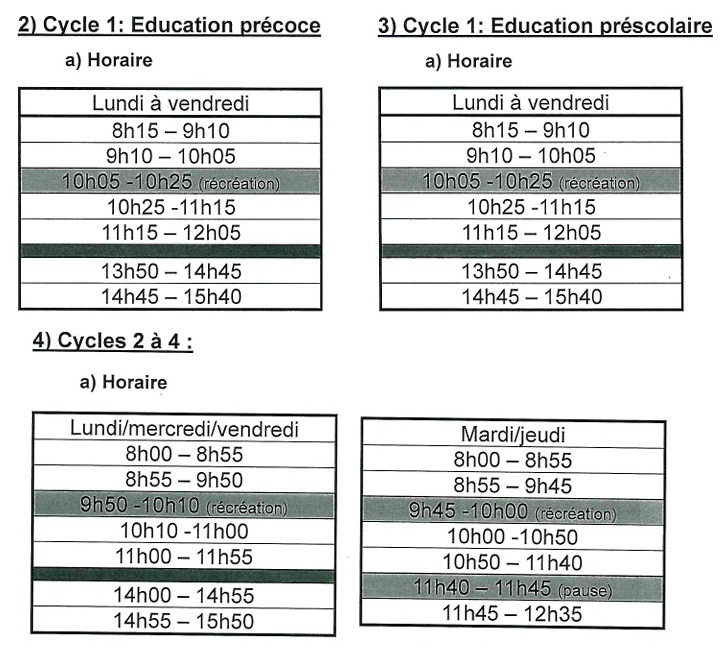
The school organisation was adopted unanimously.
New Maison Relais: a major urgency, but still many open questions
There was also strong a interest in the project for a new Maison Relais on the “An de Jéchtstécker” site. According to the college of aldermen, there is an urgent need to quickly implement new childcare places for primary school children. They stated that work on this project has already been ongoing for around 18 months.
The CSV had already identified the upcoming shortage of places prior to the 2023 municipal elections and included this in its electoral programme. The current majority, however, had different priorities until now: a car park and a restaurant. Now, three years later, what was once a future need has become an undisputed urgency.
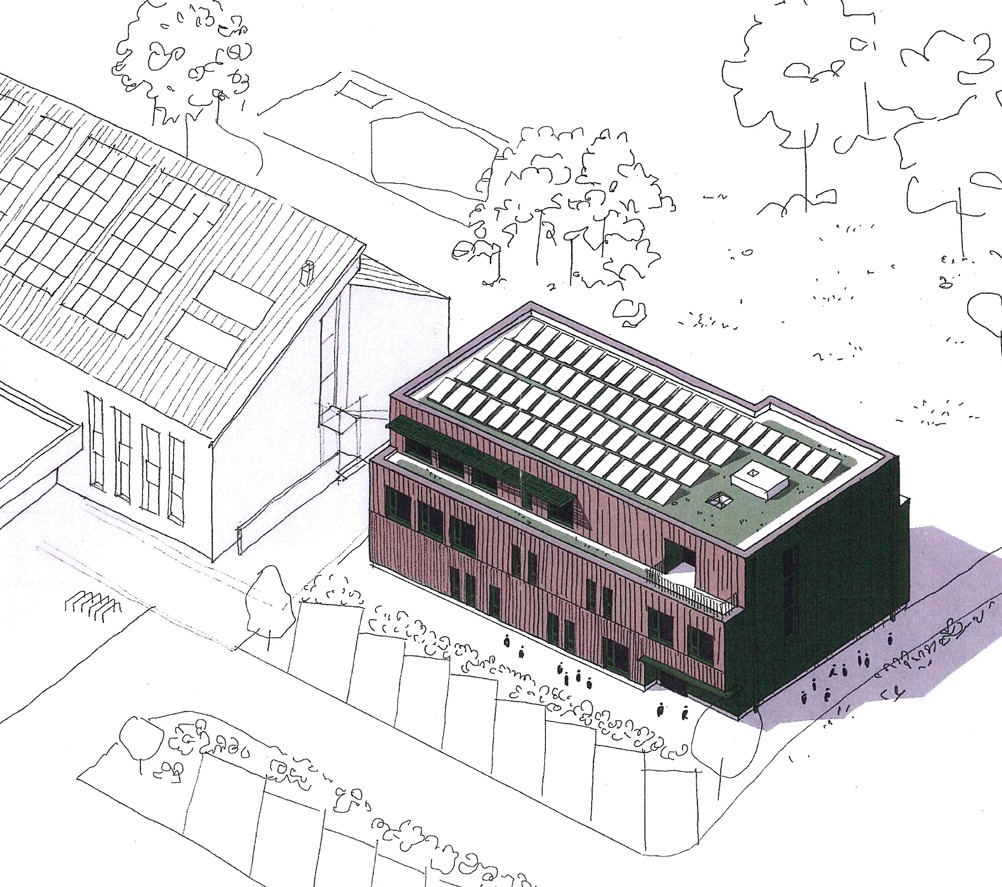
This Maison Relais at “An de Jéchtstécker” is intended to serve as a temporary solution for cycles 2 to 4 until a new building is constructed on the “Um Weier” site. The crèche will also be integrated there, while its current building is being renovated and extended.
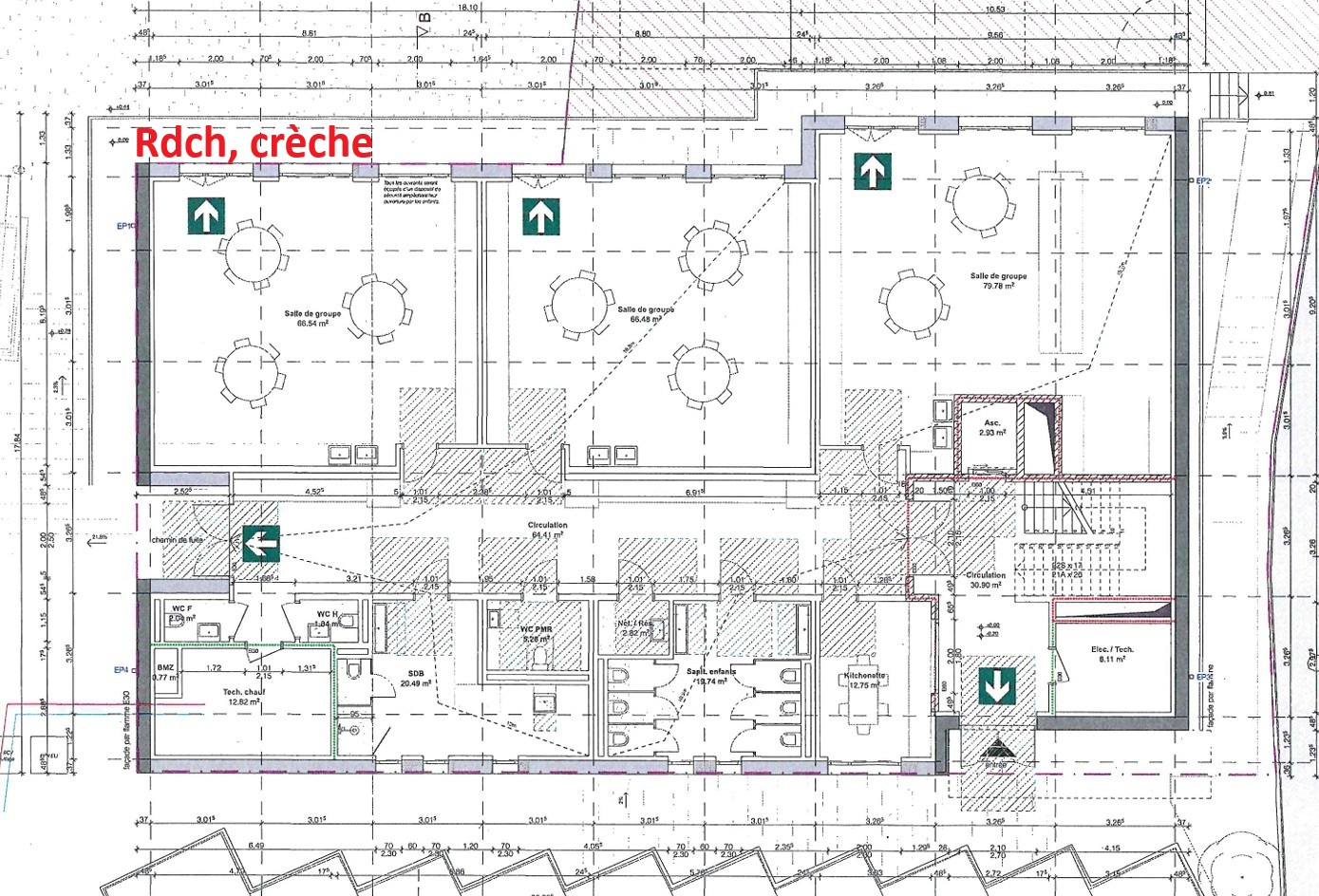
After the presentation, however, many questions remained unanswered. he plans presented to us did not include either sleeping areas for the crèche or a production kitchen. According to the college of aldermen, sleeping areas would be created within the group rooms using partition walls.
Meals for the children in all buildings on this site (presumably more than 300 children) would be prepared in the kitchen of the “Haus vun de Kanner”. However, it could not be definitively confirmed whether this kitchen has the necessary capacity. We strongly doubt this! As an alternative, it was proposed to continue cooking in the current Maison Relais and then deliver the meals to “An de Jéchtstécker”, or to resort to an external catering solution.
Also regarding the organisation of transport for the approximately 180 children between the two sites, many details also remained unsolved. In response to specific questions on this matter, no (even halfway developed) concepts were presented. Instead, reference was mainly made to the operator’s experience and the trust that a solution would be found.
The college of aldermen explained that nine variants for a new Maison Relais had been analysed and that the “An de Jéchtstécker” site was the only realistic option. However, it was not explained which variants these were or why they were ruled out. Here again, we observe what has by now become a familiar lack of transparency.
The new Maison Relais will also result in the loss of part of the attractive playground behind the “Haus vun de Kanner” – more children on site, less space. Parking will also be reduced: more staff, more cars, less space – is this well planned? The question arises whether this could lead to traffic and parking chaos. The total cost of the project is expected to amount to around €9.6 million.
As several key questions remained unanswered until the end, the atmosphere during the discussion became increasingly tense. Although we still wanted to ask further questions, the mayor simply interrupted the debate and put the €500,000 budget credit for 2026 to a vote.
For all the reasons mentioned above, the CSV did not vote in favour of the budget credit, despite the undisputed urgency, thereby calling the project itself into question.
Result of the vote: 6 votes in favour (DP/LSAP), 4 votes against (CSV / déi gréng).
Finally, one small remark: according to the college of aldermen, work on this urgent project has been underway for around 18 months. Yet the 2026 budget, which was adopted in December 2025, did not allocate any funding for it. This at least raises questions about how far ahead the college of aldermen plans and how seriously it takes the preparation of the municipal budget.